The McCluney Lab focuses on understanding aspects of global change in aquatic and terrestrial ecosystems. We integrate ecological, physiological, and isotopic approaches to understand the dynamics of populations, communities, and ecosystems, with a focus on aquatic, riparian, and terrestrial and urban environments across the US. Our work investigates basic ecological questions that have importance for achieving sustainable environmental management in a changing world.
Our key research areas include:
1. Ecological Implications of Animal Water Balance (Water Webs)
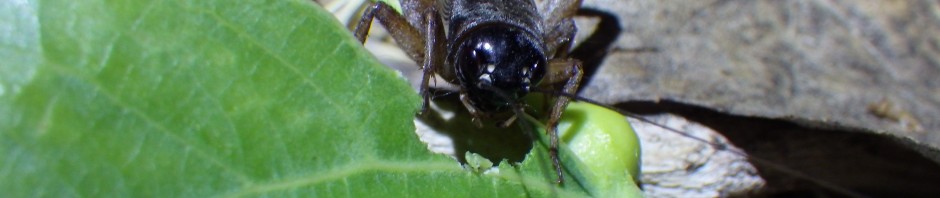
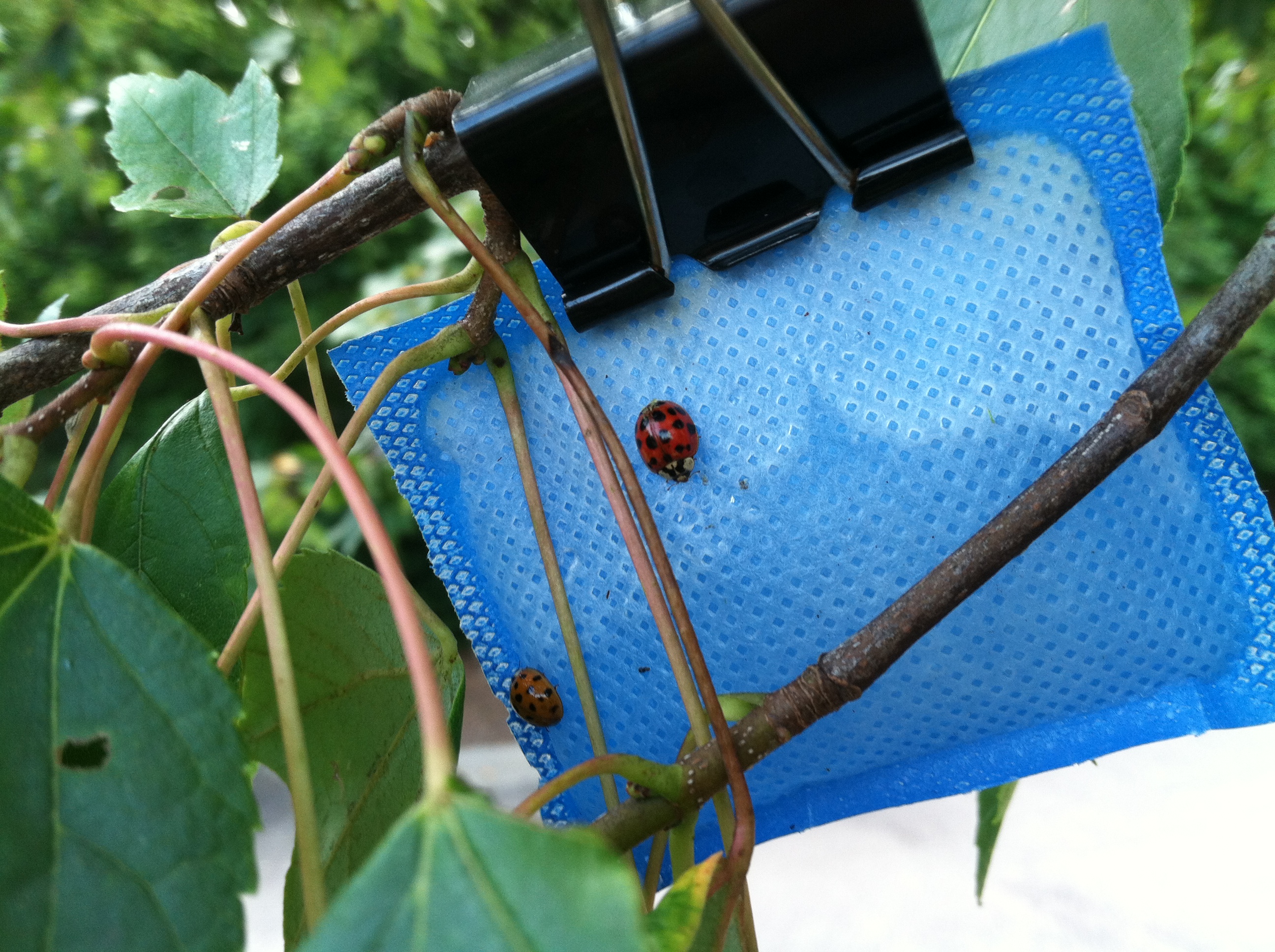
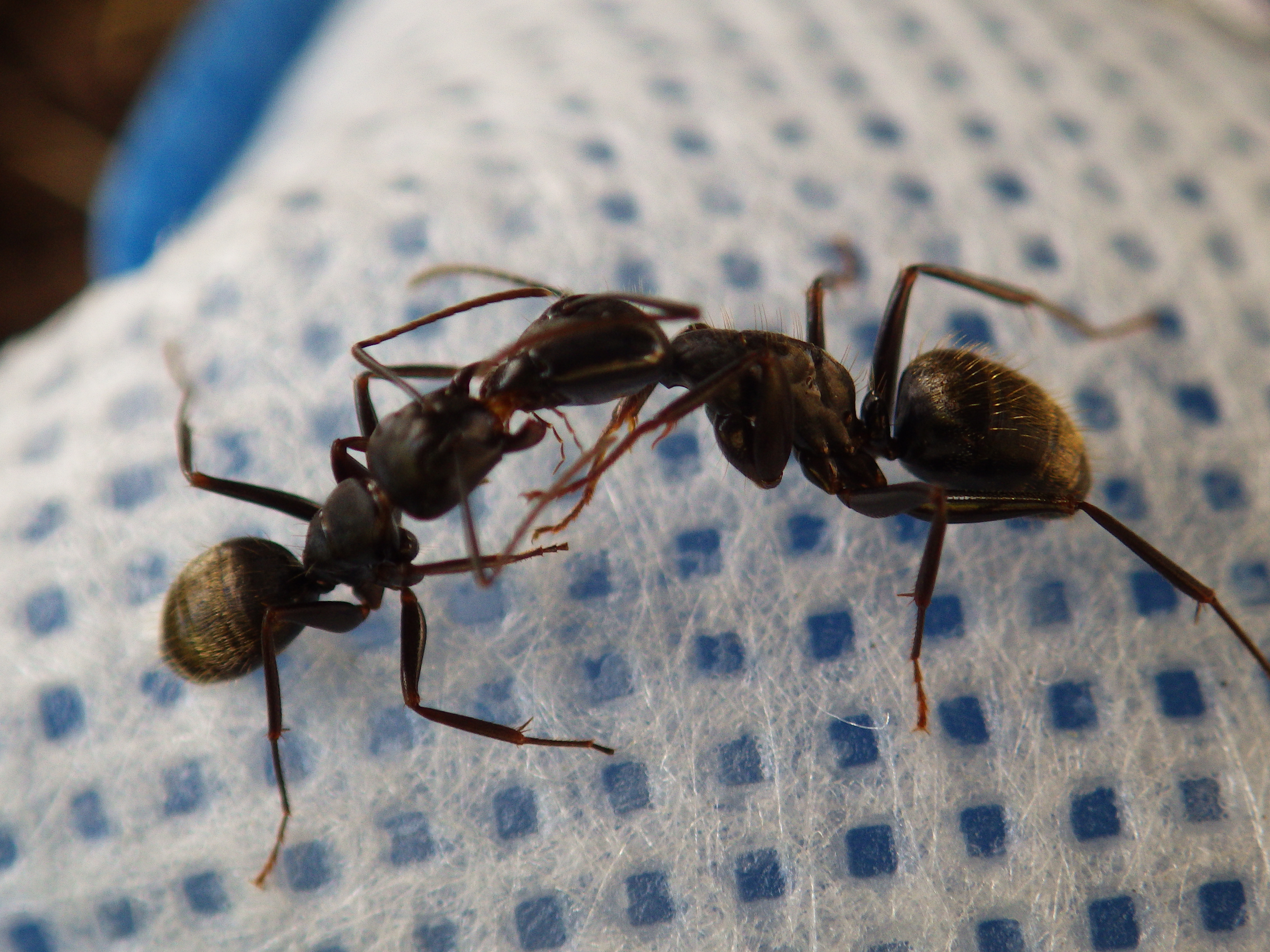
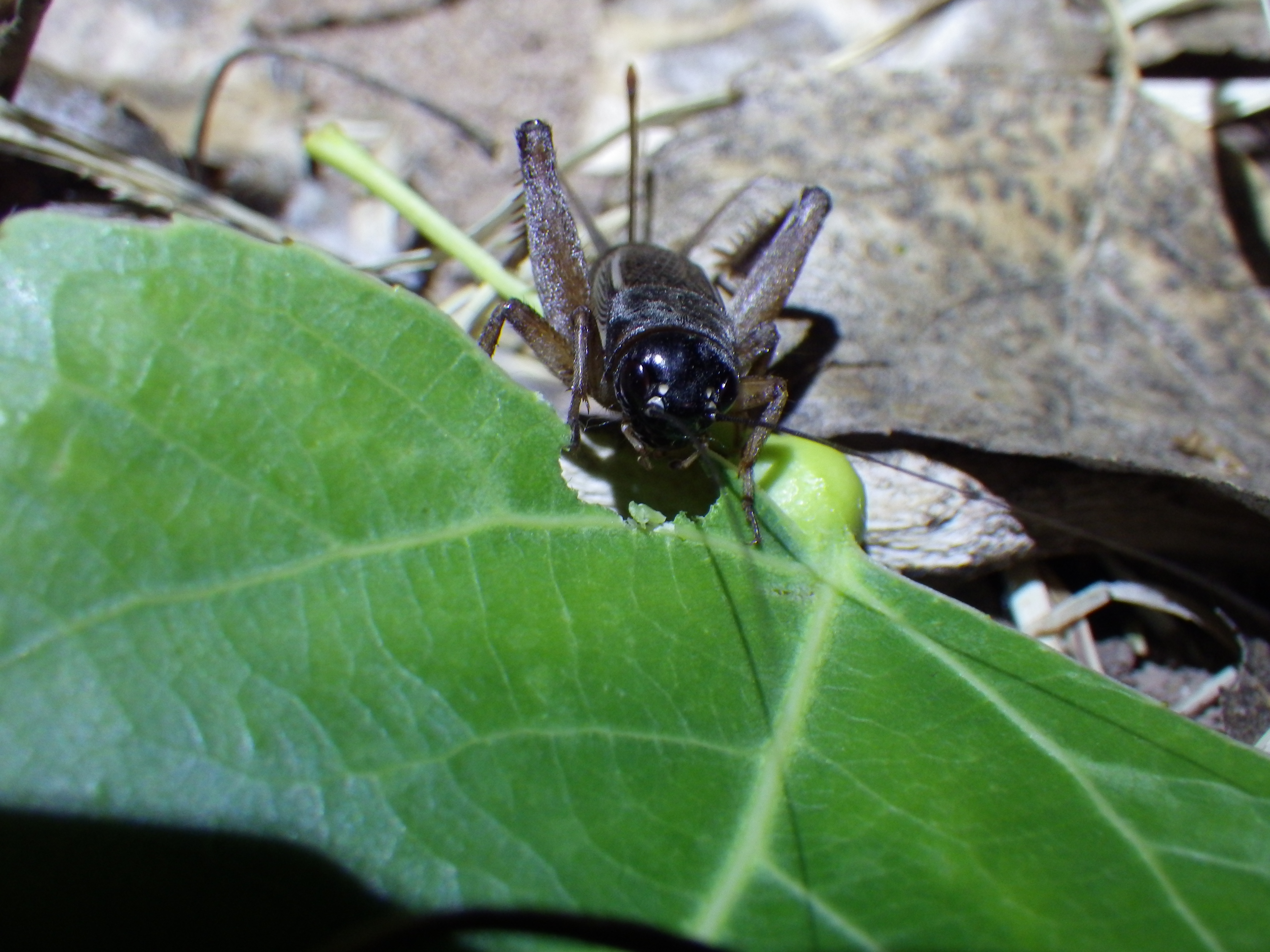
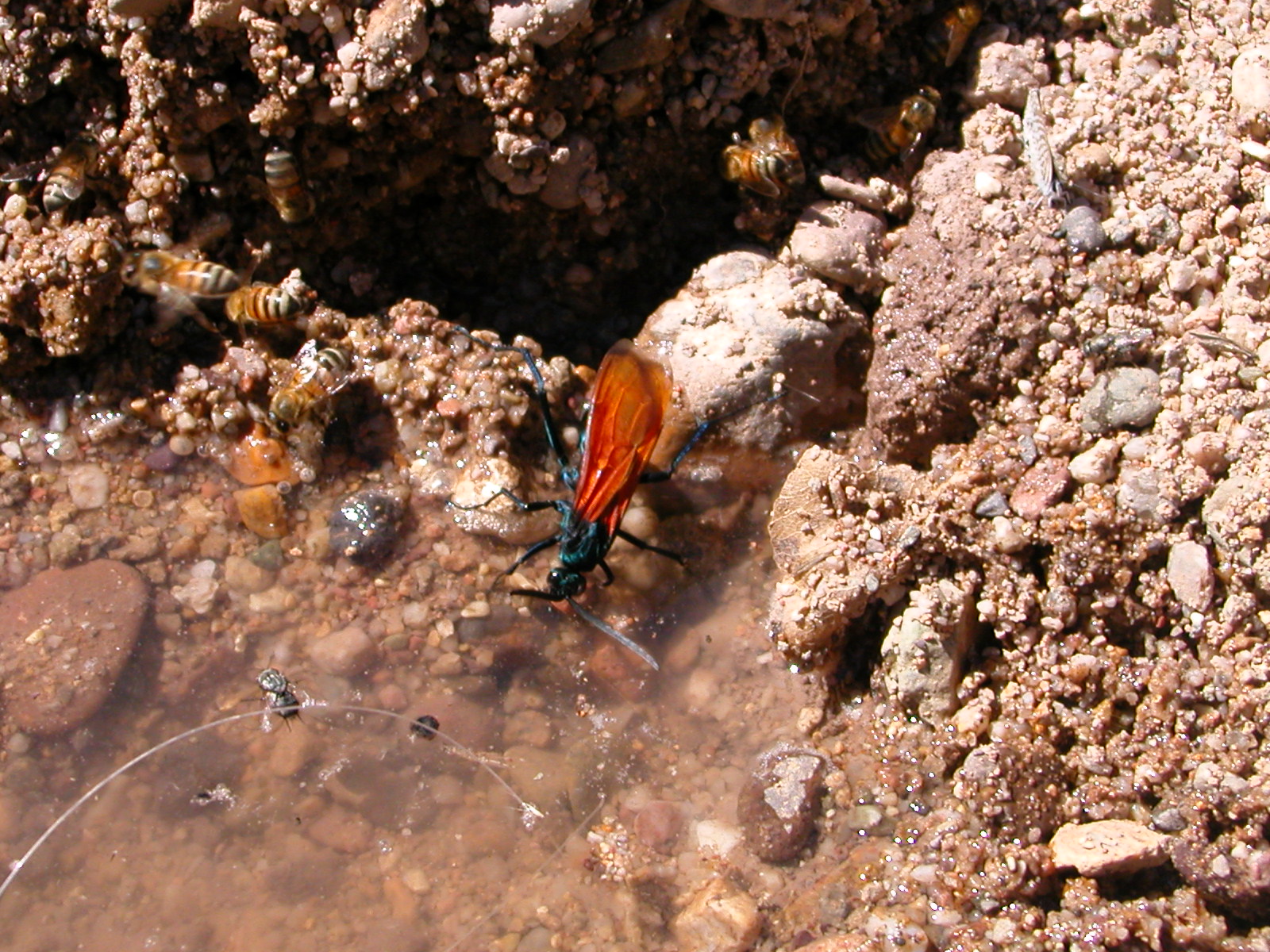
What drives trophic interactions and food web dynamics? Energy is often assumed to be the most important ecological currency underlying these relationships. However, we have shown that spiders and crickets will “drink” their food under dry conditions, consuming large amounts in order to meet water requirements rather than energy or nutrients. These water-related changes in trophic interactions can drive trophic cascades and influence intraguild predation. More generally, we are developing a framework for understanding the direct and indirect effects of animal water balance (sources and losses) on trophic interactions and food webs (which we have termed “water webs“). More recently we have been considering this topic simultaneously with interacting factors such as energy balance and demand for specific macronutrients.
2. Water Quantity and Quality
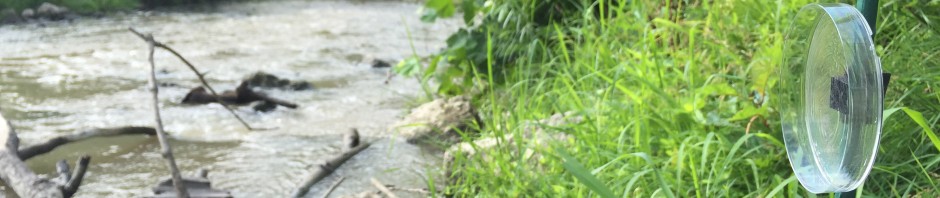
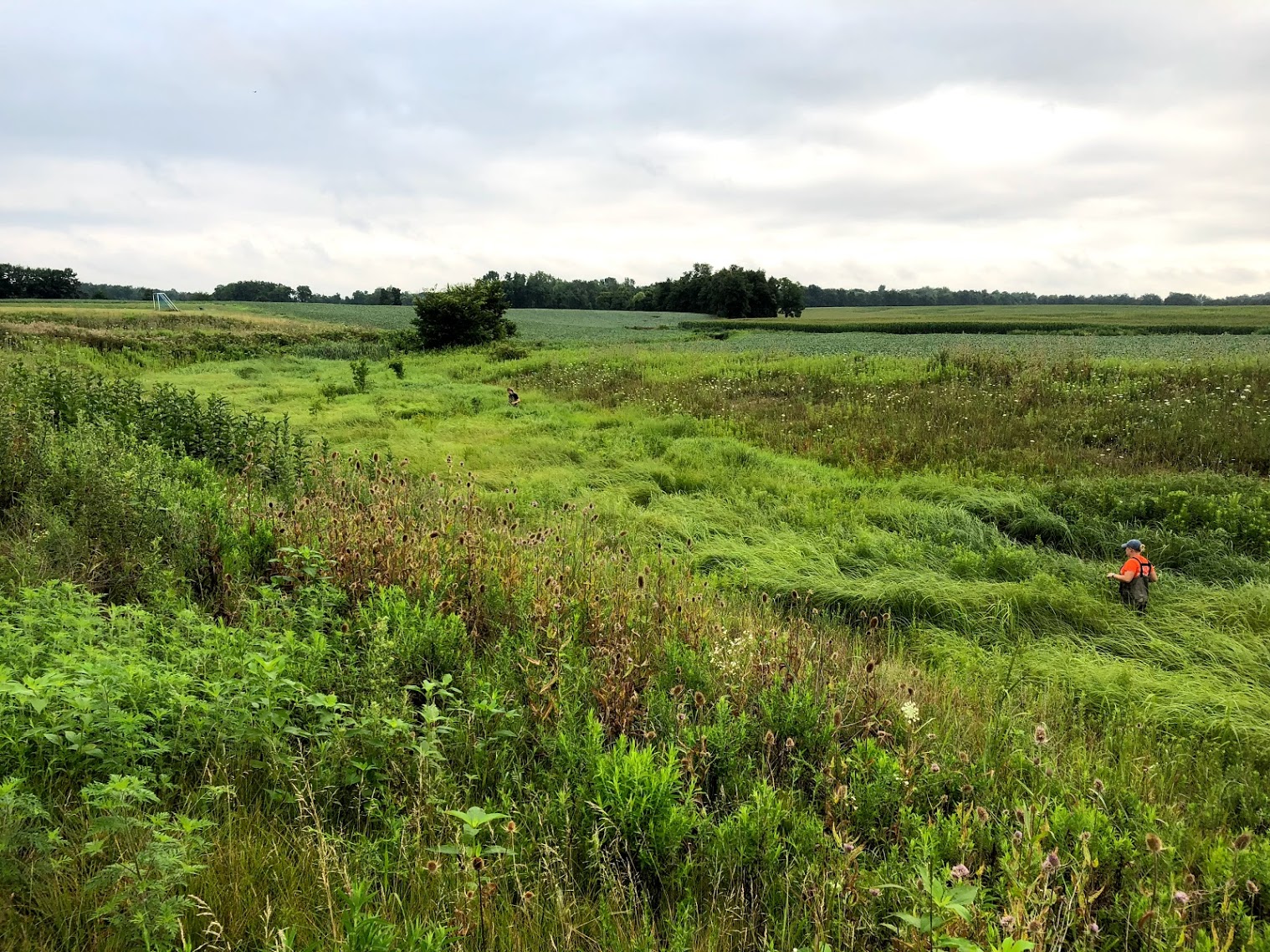
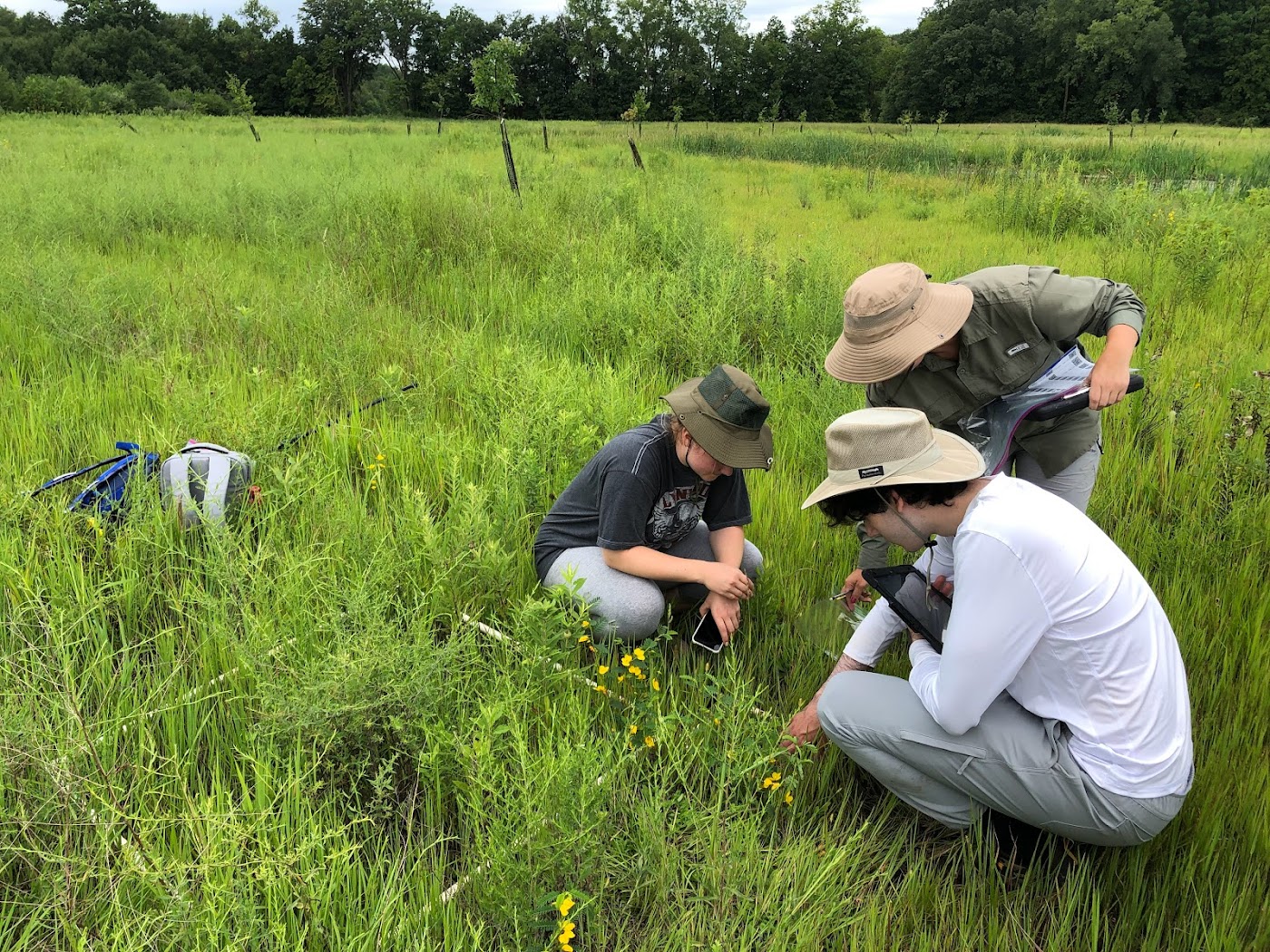
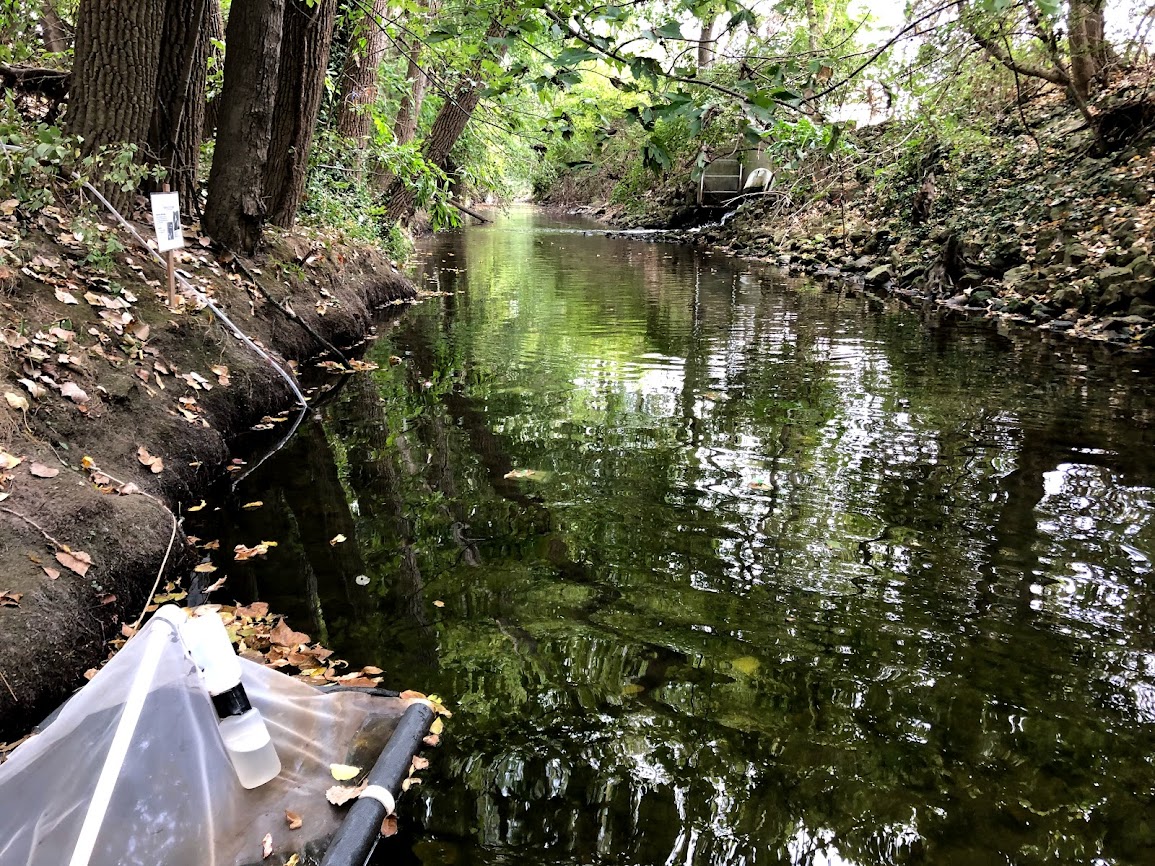
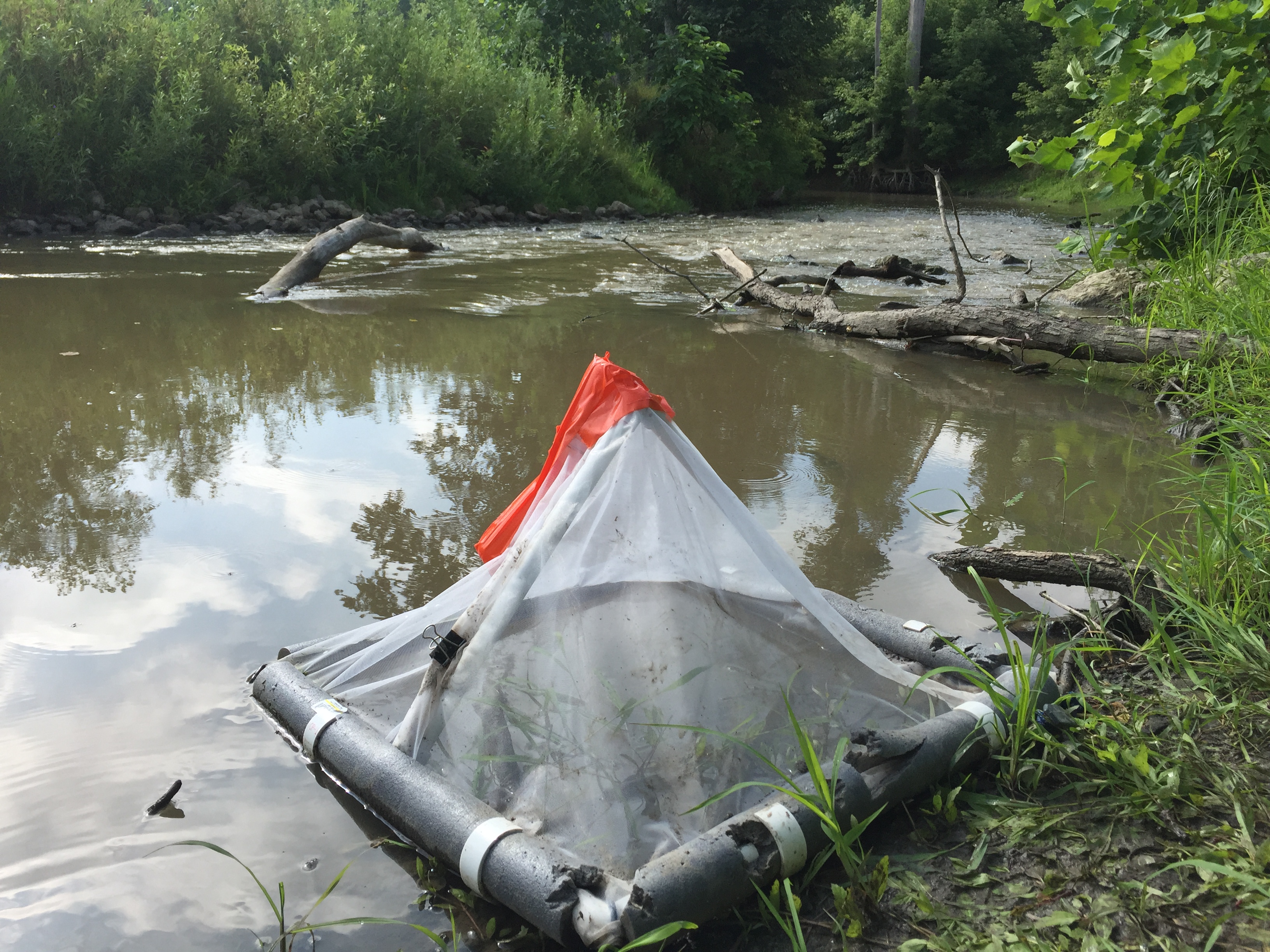
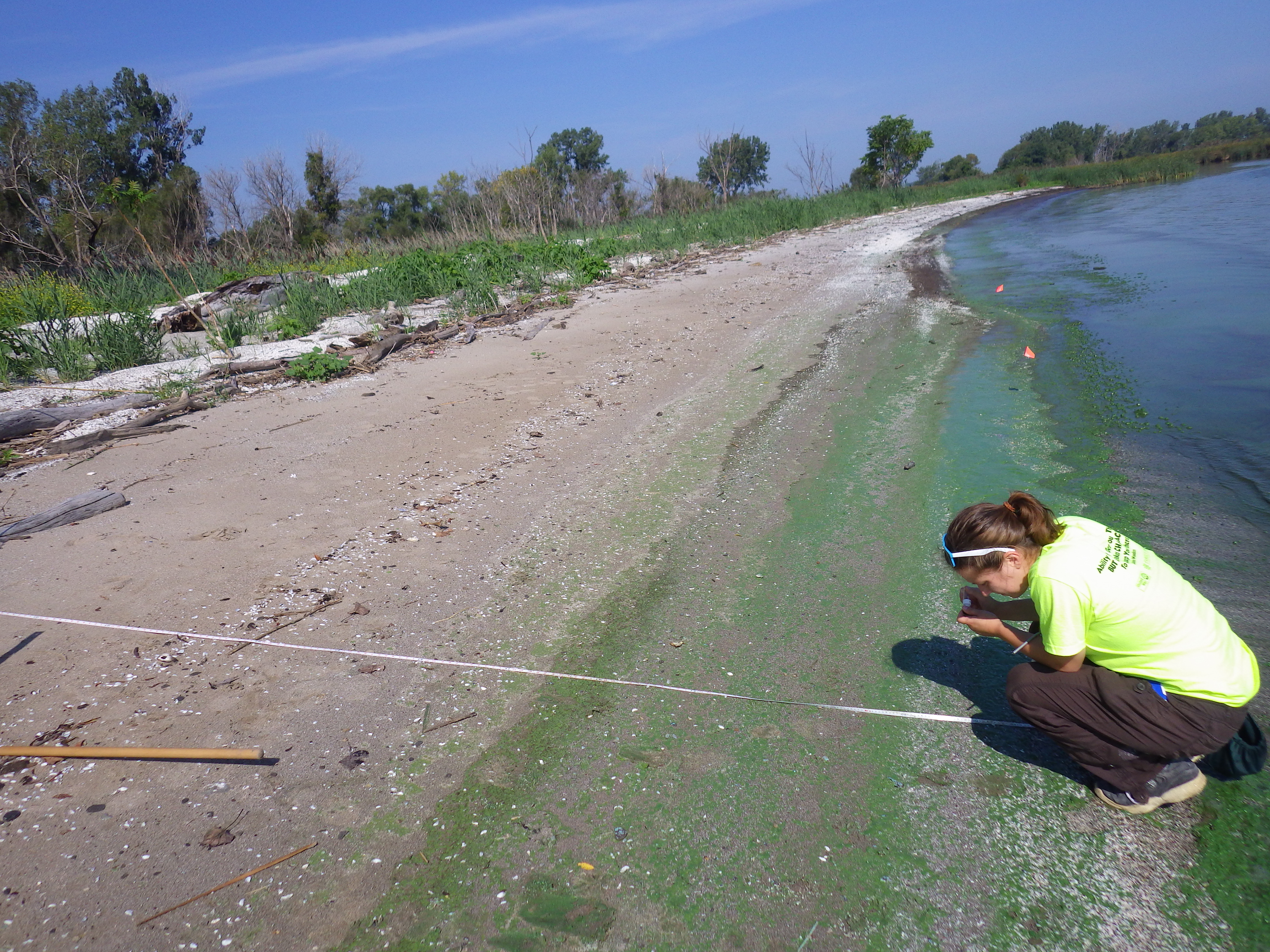
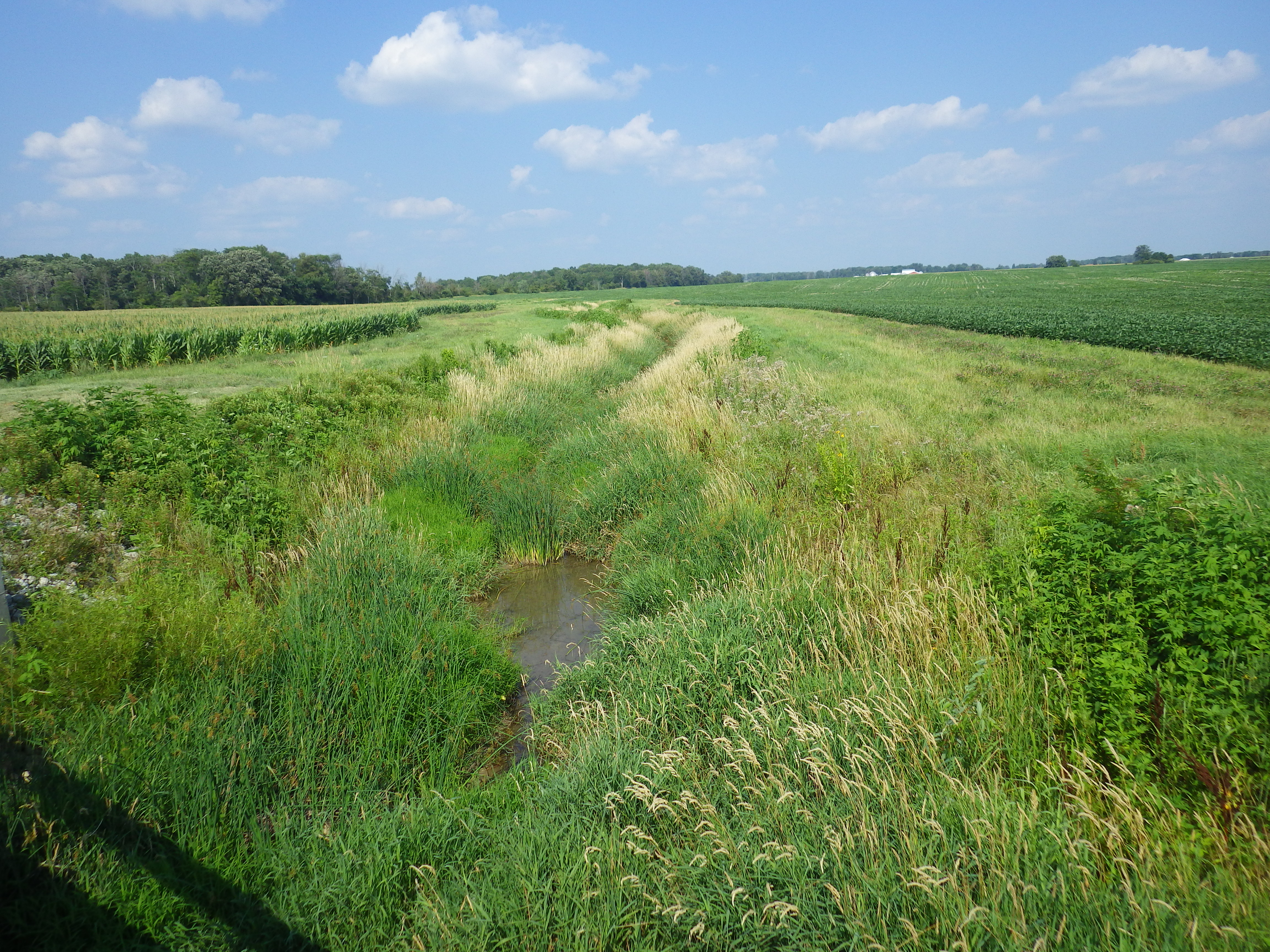
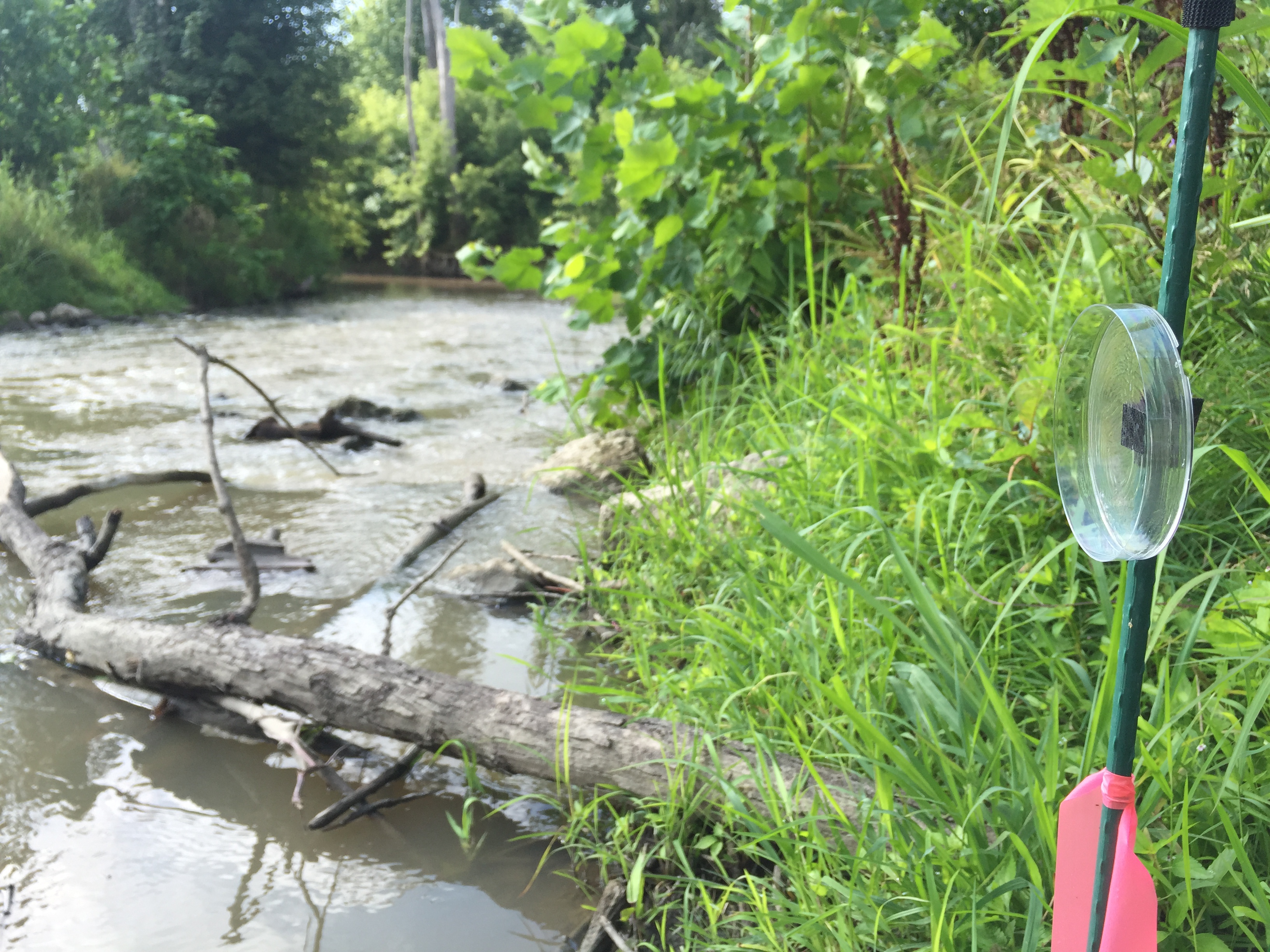
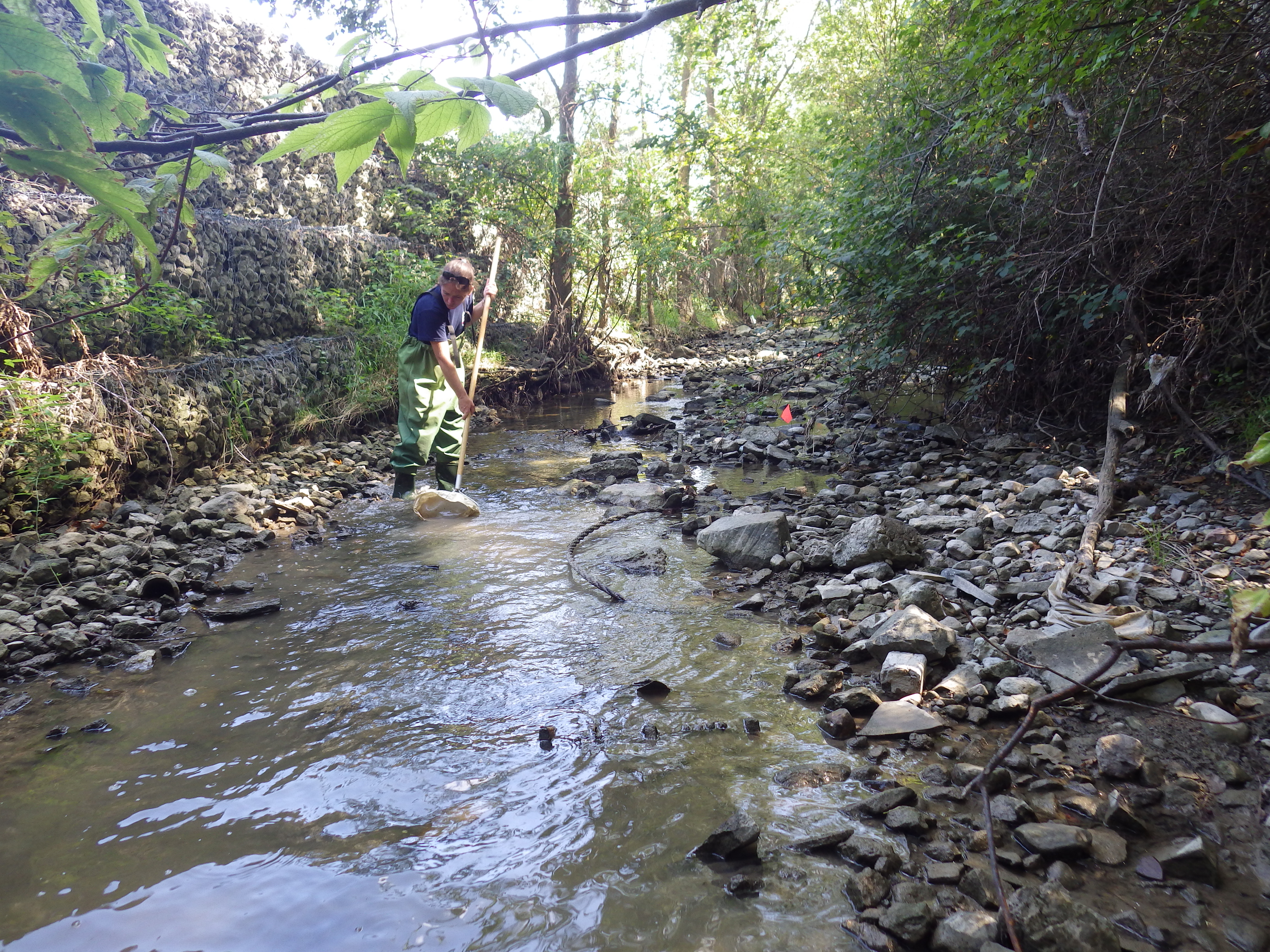
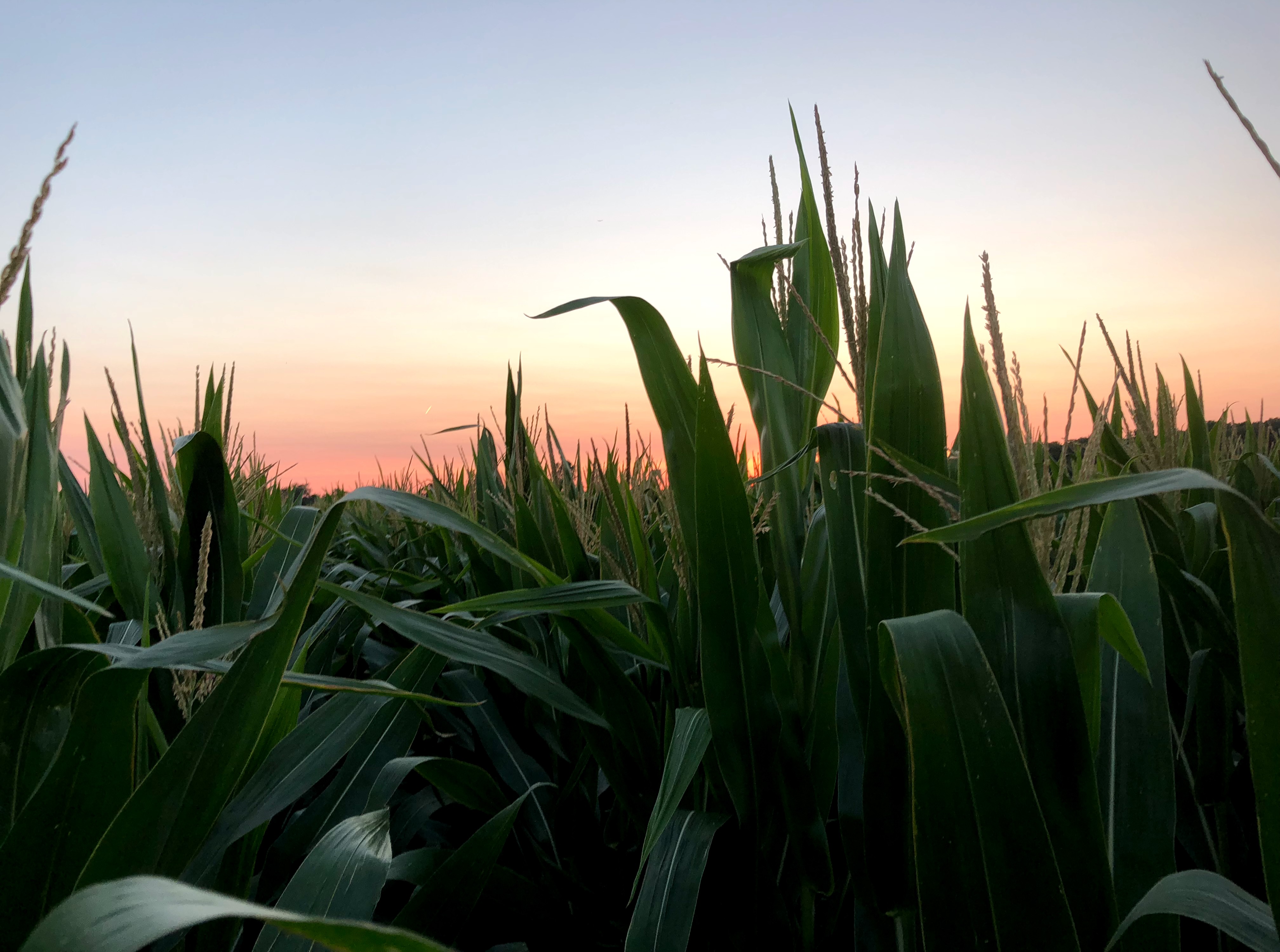
How do environmental changes in one ecosystem spill over into adjacent ecosystems? Several decades of work have explored these varied connections, but many unexplored questions remain. We have shown strong effects of river drying on streamside animals and complex effects of trace chemicals (e.g. caffeine) on stream biofilms and emergent insects. Additionally, we are exploring how agricultural ditch management influences both aquatic and terrestrial processes in ways that may alter nutrient cycling and biocontrol. Newer work has used isotopes to trace nutrient sources and examine soil biogeochemistry and soil health. We are also collaborating on work to quantify the role of plants in nutrient retention in wetlands and on a method of reducing nutrient fluxes to streams with edge of field aquaponics systems. With this work, we are helping to understand and reduce nutrient fluxes from farms, to watersheds, to lakes. At the lakeshore, we are investigating the effects of cyanobacterial algal blooms on shore food webs.
3. Urbanization and Climate Change
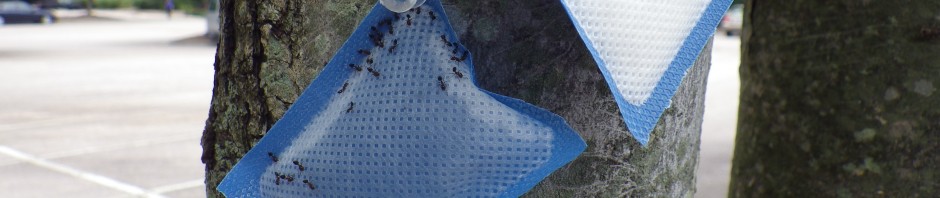
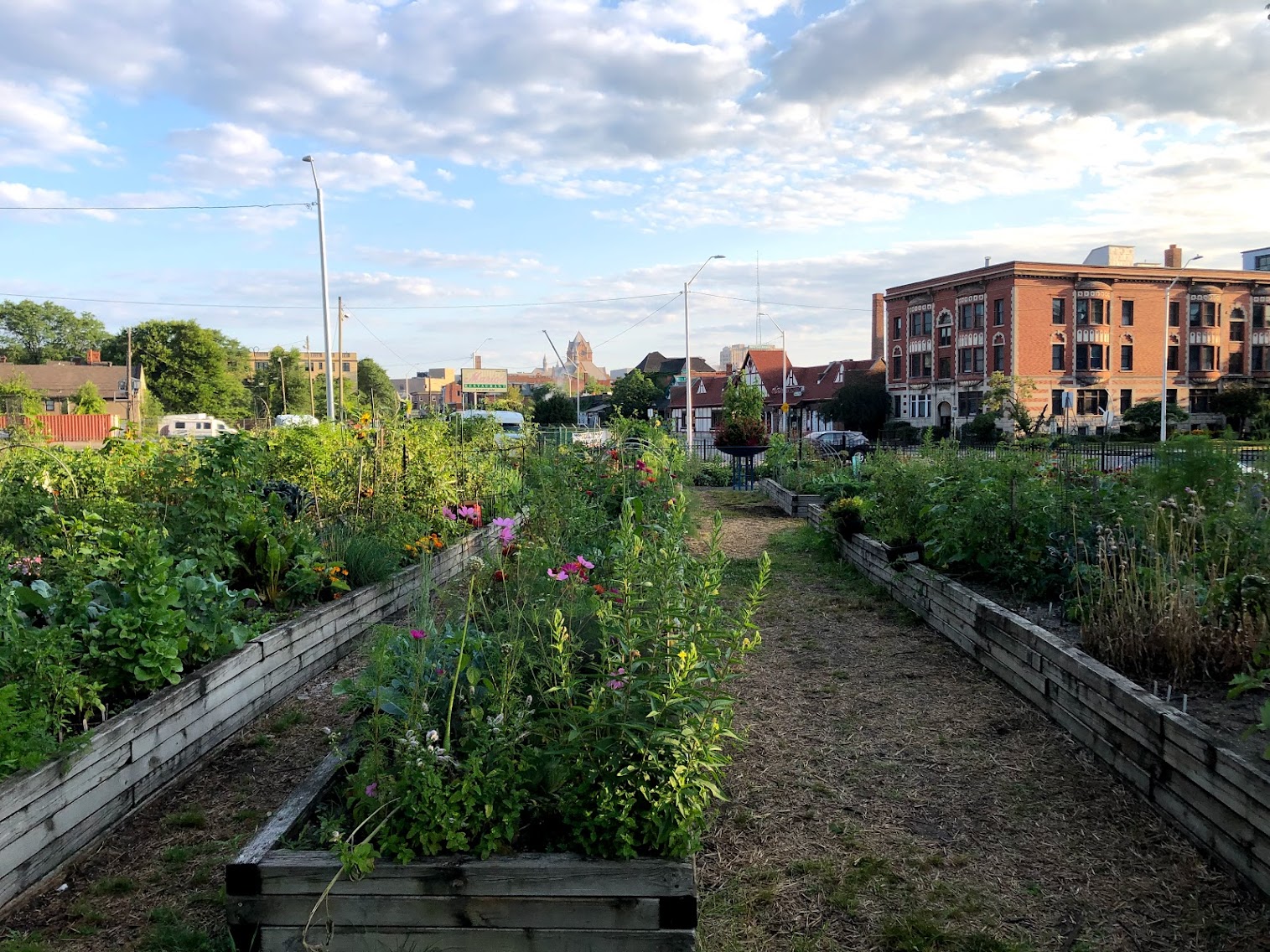
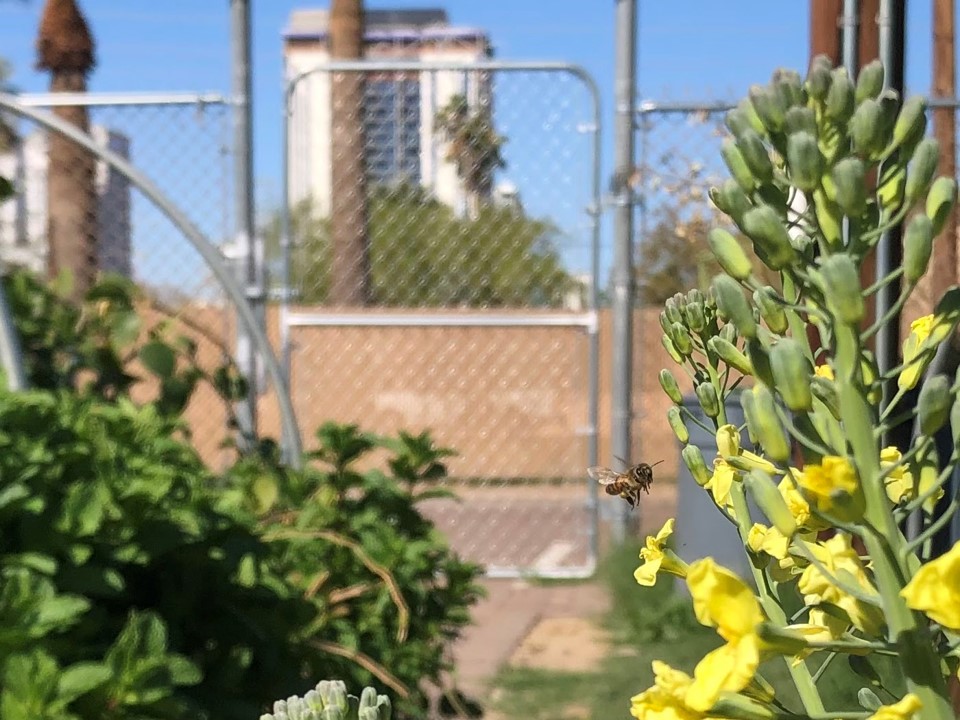
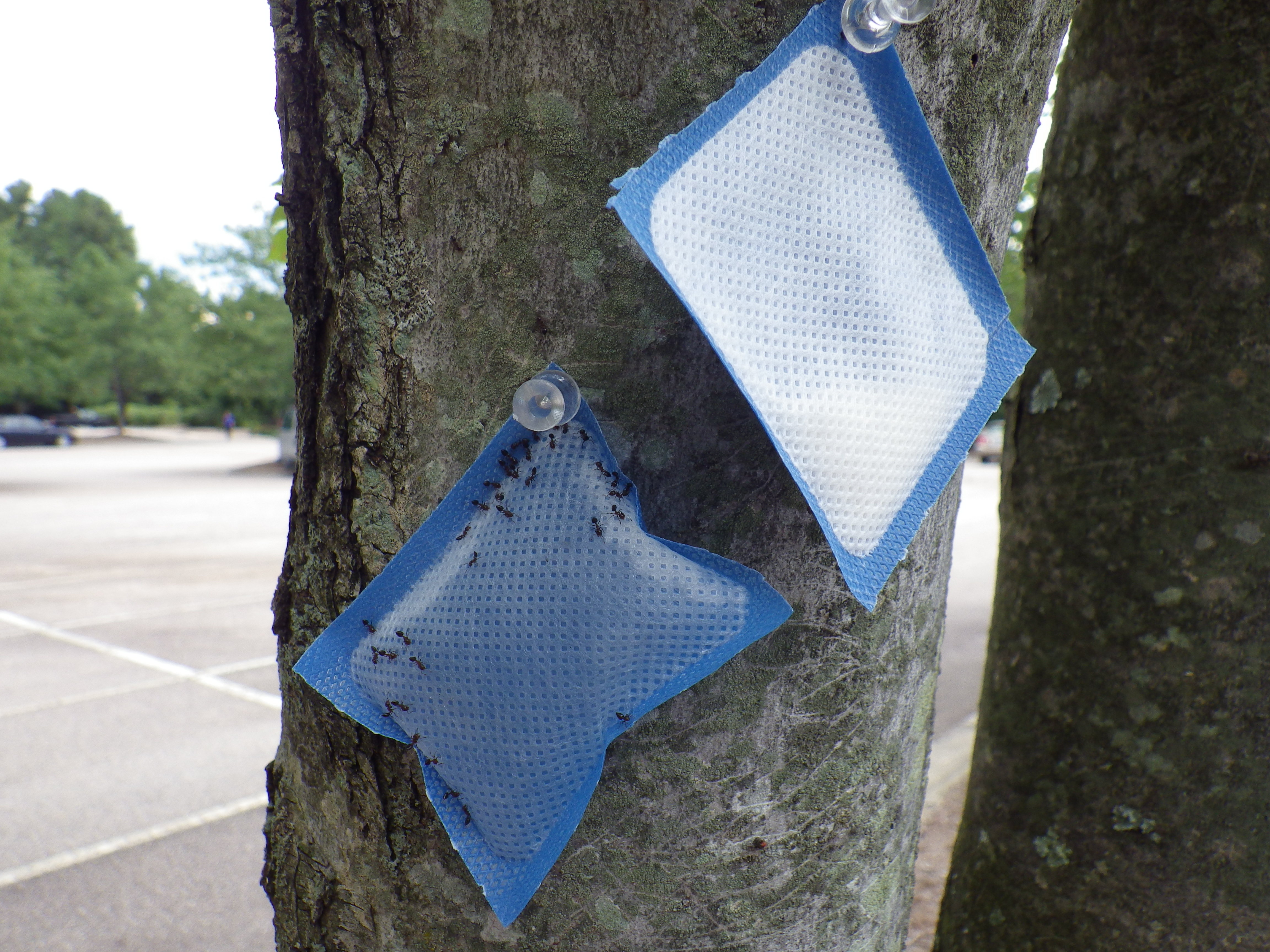
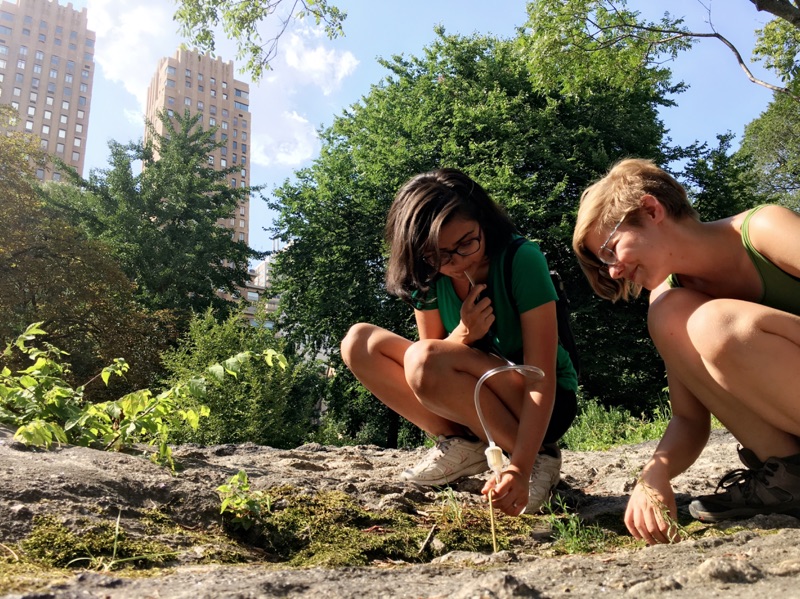
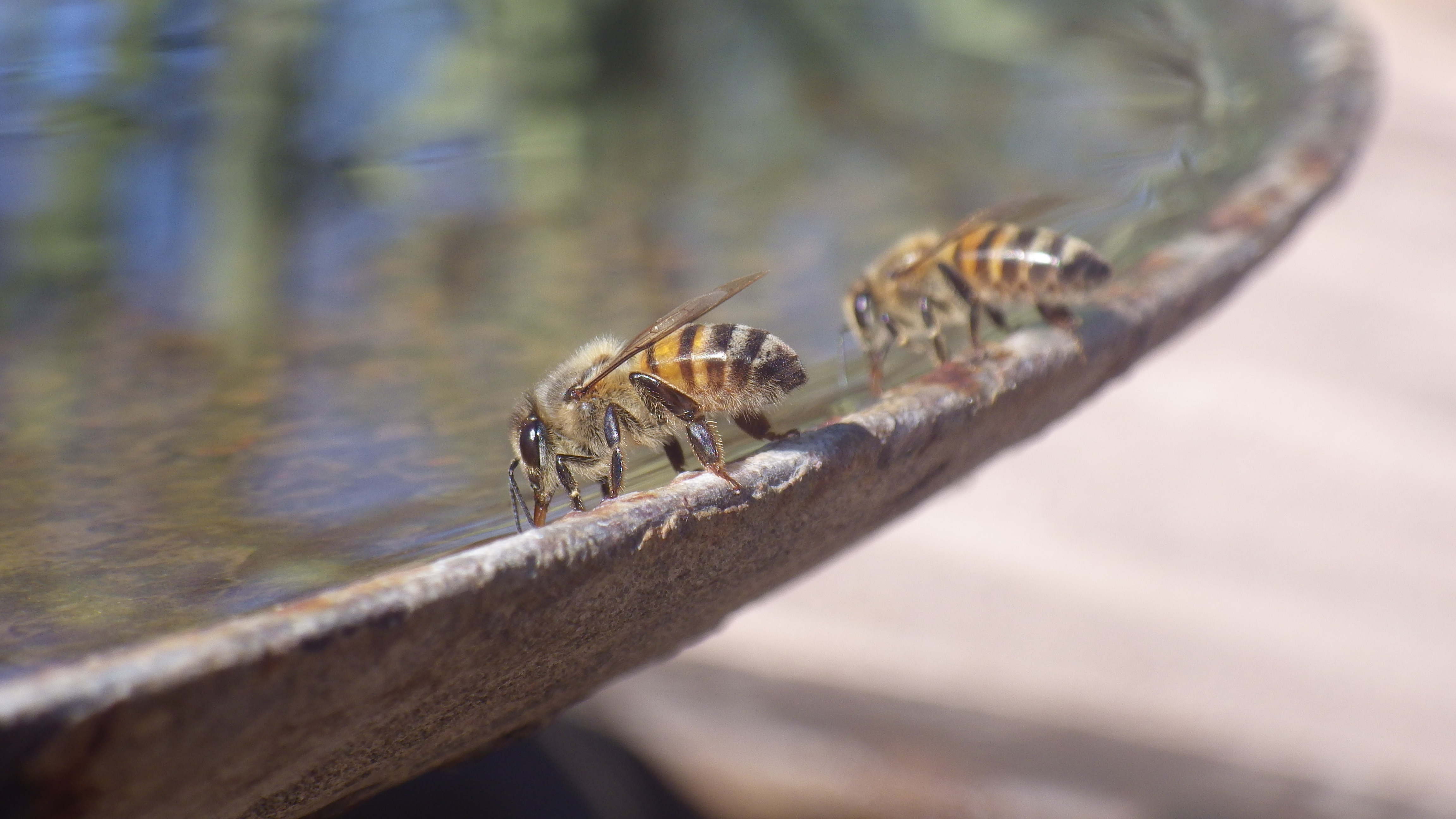
How does rapid global change influence ecological communities and food webs? We focus on two related types of global change: urbanization and climate change. People are increasingly moving to cities and altering those environments. Cities in mesic regions become warmer and drier in ways that can mimic the projected effects of climate change. On the other hand, parts of cities in xeric regions can become wetter and sometimes cooler. We are studying how alteration of environmental factors in cities influences animal ecology in ways that may indicate potential effects of climate change. For instance, we have shown that urban arthropod water content varies within and between cities and seasonally, influenced by temperature and soil moisture and that this variation in water content alters communities. Recent work on urban bees has documented the relative susceptibility of different bee taxa to desiccation vs overheating associated with urban warming and factors influencing urban bee communities and flower visitation. In general, our research aims to inform management decisions in cities that could maximize ecosystem services and minimize disservices in the places where most people now live. This research focal area is strongly linked with our research on water webs (see #1 above).
4. Understanding Ecological Fluctuations at Multiple Scales
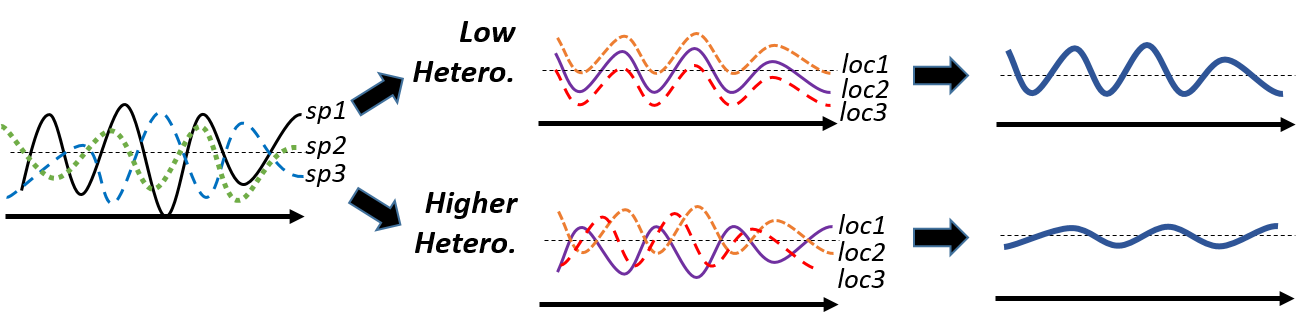
What controls fluctuations in ecological systems across spatial scales? This is a fundamental question in ecology with important consequences for species conservation, pest management, and the delivery of ecosystem services. We have developed a framework for understanding these dynamics in riverine systems and tested the network of mechanisms controlling ecological fluctuations across spatial scales, study systems, and levels of organization.
We encourage applications from students from diverse backgrounds. Please see our lab’s diversity, equity, and inclusion policy.
MS and PhD student positions are available!

McCluney Lab
McCluney
Kevin McCluney
BGSU
Bowling Green State University
Ecology
Pingback: Full funded MS/PhD position in community physiological ecology at Bowling Green State University – Graduate school expert
Pingback: MSc/PhD position in urban bee physiological ecology at Bowling Green State University – Graduate school expert
Pingback: COVID-19 FAQ | Kevin McCluney's Blog